
Exploring the cultural significance of gambling across different societies
The Historical Roots of Gambling
The practice of gambling can be traced back thousands of years, with evidence found in ancient civilizations like China, Egypt, and Greece. In these societies, games of chance were often interwoven with religious and cultural rituals. For instance, dice, which were created from materials such as bone and ivory, were used not just for entertainment but also in decision-making processes that affected communities. This historical backdrop illustrates how gambling has long held a revered place in various cultures. Today, many online platforms, like mafia-casino.uk, continue this tradition, offering a wide range of games that reflect this rich history.
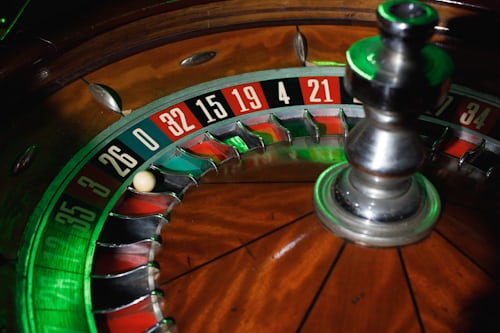
In the Roman Empire, gambling was a popular pastime among all social classes, from emperors to common citizens. Gladiatorial games, which involved bets on the outcomes of fights, encapsulated the excitement of risk and reward. These ancient practices reveal that gambling was not merely a game but also a means of societal bonding, where shared experiences could foster connections among participants. Such historical insights highlight the evolution of gambling from a ritualistic activity to a prevalent form of entertainment.
As gambling spread across cultures and continents, it absorbed elements unique to each society. In the Middle Ages, for example, card games gained popularity in Europe, adapting various forms and rules, while in Asia, traditional games like Mahjong were developed. The intermingling of these cultural influences demonstrates how gambling has consistently been a mirror reflecting societal values and norms. Today, this rich history continues to shape modern gambling practices worldwide.
The Social Implications of Gambling
Gambling has significant social implications that extend beyond mere entertainment. In many societies, it serves as a social glue, creating bonds among people who partake in games together. Community events, often centered around gambling, foster camaraderie and strengthen relationships, whether through local poker nights or larger events like casino nights. This aspect of gambling highlights its role as a facilitator of social interaction and community cohesion.
Conversely, the social impacts of gambling can be detrimental. In cultures where gambling is widely accepted, issues such as addiction and financial hardship can arise, affecting families and communities. For example, in countries like Australia, where gambling is deeply embedded in the culture, discussions about responsible gambling practices have become increasingly important. This duality showcases the need for a balanced approach that acknowledges both the positive and negative aspects of gambling within society.
Moreover, gambling’s integration into the fabric of society can lead to the establishment of regulations and support systems aimed at promoting responsible gambling. Governments and organizations often collaborate to raise awareness about the risks associated with excessive gambling, emphasizing the importance of moderation. This proactive stance illustrates the recognition of gambling’s complexity and the necessity for responsible engagement with this age-old practice.
Cultural Variations in Gambling Practices
The cultural significance of gambling varies significantly around the globe. In many Western societies, casinos and sports betting are commonplace, often viewed as a legitimate form of entertainment. Here, the focus is primarily on the thrill and potential financial gain. However, in certain Eastern cultures, gambling is interwoven with tradition and spirituality, such as in the case of the Lunar New Year celebrations in China, where games are played as part of cultural rituals to invite good fortune.
In indigenous cultures, gambling often takes on a unique form, representing communal participation and traditional practices. For example, many Native American tribes engage in high-stakes poker games as part of social gatherings, which not only serve as entertainment but also as a means of preserving cultural identity. These variations showcase how gambling adapts to local customs, beliefs, and social structures, reflecting the diversity of human experience.
Interestingly, certain cultures also impose strict regulations or bans on gambling practices, viewing them as morally objectionable or harmful. For instance, in Islamic cultures, gambling is prohibited due to religious beliefs that emphasize the importance of earning through hard work. These cultural attitudes shape the perception of gambling within societies, influencing everything from social norms to legal frameworks. Understanding these variations is crucial for appreciating gambling’s multifaceted role across different cultures.
Contemporary Views on Responsible Gambling
In the modern era, the conversation surrounding gambling has evolved to include a strong emphasis on responsible gaming practices. Awareness of gambling addiction and its consequences has increased, prompting both players and organizations to prioritize moderation and informed decision-making. Campaigns aimed at educating the public about the risks associated with gambling have become more prevalent, illustrating a societal shift toward a more responsible approach.
Responsible gambling not only focuses on awareness but also encourages the establishment of support systems for those affected by gambling-related issues. Numerous organizations provide resources, counseling, and support networks to help individuals struggling with addiction. This proactive approach aims to mitigate the potential negative effects of gambling, allowing individuals to enjoy the activity while remaining mindful of their limits and the impact on their lives.
Additionally, online platforms and casinos are increasingly incorporating responsible gambling tools, such as self-exclusion options and spending limits, to promote healthy gaming habits. These measures empower players to take control of their gambling experience, ensuring that it remains a source of enjoyment rather than a pathway to financial hardship or emotional distress. This modern understanding highlights the evolving relationship between gambling, society, and individual well-being.
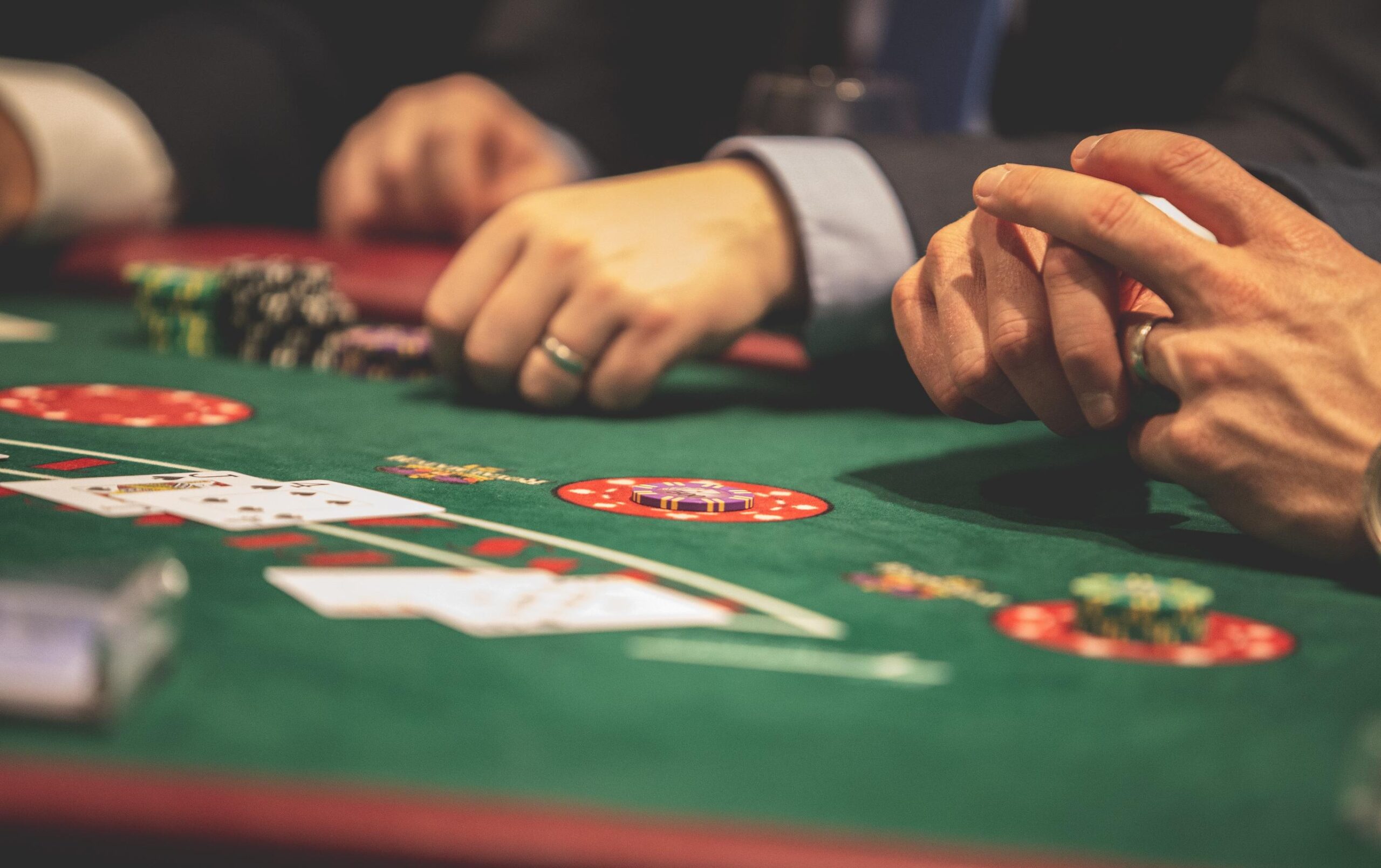
Exploring Mafia Casino: A Responsible Gaming Environment
Mafia Casino, launched in 2025, stands as a premier example of a contemporary gaming platform committed to responsible gambling. With a wide array of over 3,000 games, the casino fosters a secure environment for players to enjoy their gaming experience while prioritizing safety and well-being. This commitment to responsible gaming is reflected in the casino’s emphasis on fast payouts, responsive customer support, and a variety of secure payment options.
The casino also offers generous welcome bonuses, allowing new users to explore the vast gaming library without financial pressure. With a welcome bonus of 100% up to €500, plus 200 free spins, players are encouraged to enjoy their experience while being mindful of their limits. This approach aligns with the broader conversation about responsible gambling, making Mafia Casino not just a place to play, but also a community that supports responsible behavior.
Ultimately, Mafia Casino exemplifies how modern gaming establishments can integrate responsible gambling practices into their core operations. By fostering a vibrant community and promoting healthy gaming habits, the casino not only enhances the overall experience for players but also contributes to the ongoing dialogue about gambling’s place in society today. This model highlights a forward-thinking approach that balances excitement with responsibility, ensuring a positive gaming environment for all participants.




Recent Comments