

Impact and Importance of Pacific Aid Projects
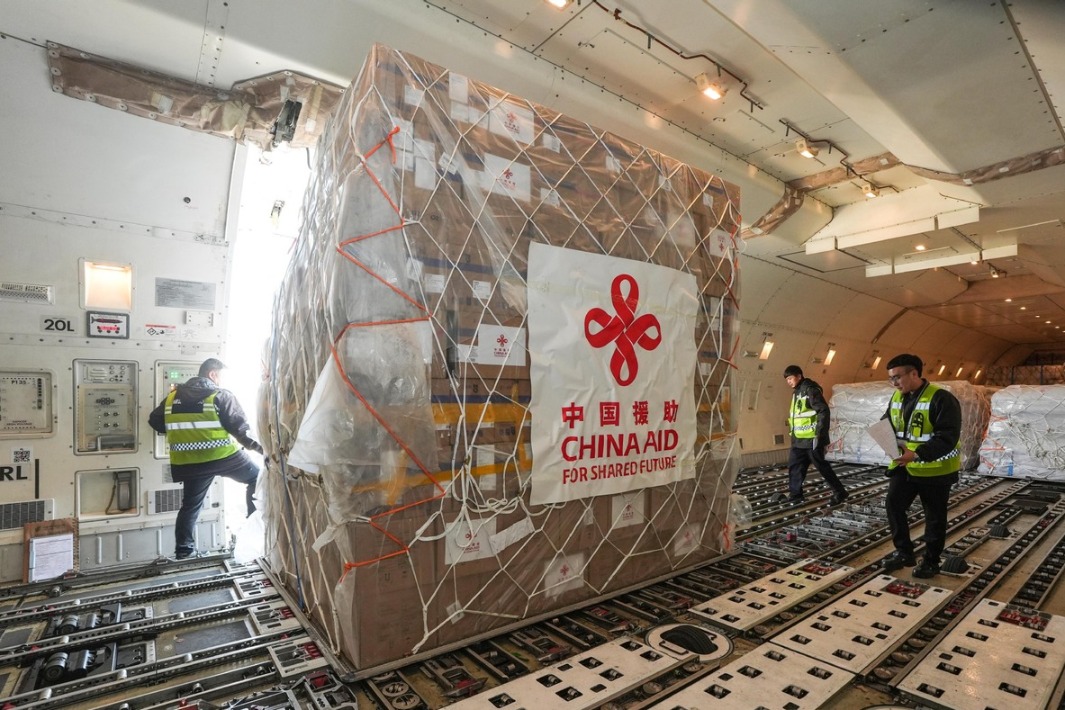
In recent years, the Pacific region has witnessed a surge in aid projects aimed at fostering sustainable development and improving the quality of life for its inhabitants. These pacific aid projects south pacific development initiatives span various sectors, including health, education, environmental conservation, and economic growth. This article delves into the significance, challenges, and future outlook of aid projects in the Pacific, emphasizing their transformative potential in the lives of local communities.
Historical Context of Aid in the Pacific
The history of aid in the Pacific Islands is complex, shaped by colonial legacies, global geopolitics, and the region’s unique socio-economic landscape. Post-World War II, many Pacific nations gained independence, but the challenges of development often remained daunting. Aid became a crucial tool for newly independent governments to address poverty, inadequate infrastructure, and limited access to education and healthcare.
Initially, aid projects focused predominantly on infrastructure development, such as building roads, schools, and hospitals. However, as the region evolved, so too did the nature of aid. Contemporary efforts have shifted towards sustainable development and empowering local communities to achieve long-term self-sufficiency.
Types of Aid Projects in the Pacific
Pacific aid projects can be categorized into several key areas:

Health and Wellbeing
Health programs in the Pacific are a vital aspect of aid initiatives, addressing issues such as maternal and child health, infectious diseases, and non-communicable diseases. Initiatives like vaccination programs, health education, and mobile clinics have been widely implemented to enhance healthcare access, particularly in remote islands.
Education and Training
Education is essential for sustainable development. Aid projects in this sector focus on building schools, training teachers, and providing resources to improve educational outcomes. Scholarships and vocational training programs also empower youth, equipping them with skills necessary for the job market.
Environmental Sustainability
Given the Pacific Islands’ vulnerability to climate change, environmental sustainability is a critical area of focus. Aid projects often support initiatives aimed at disaster preparedness, ecosystem conservation, and sustainable agricultural practices. These efforts are crucial for maintaining the livelihoods of local communities dependent on natural resources.
Economic Development
Economic diversification is a priority for many Pacific nations. Aid projects in this arena might include support for tourism, fisheries, and agriculture. By fostering entrepreneurship and investment, these initiatives aim to create jobs and stimulate local economies.
Challenges Facing Aid Projects
Despite the positive intentions behind aid projects, several challenges hinder their effectiveness:
Coordination and Implementation
One of the significant challenges is the coordination between various organizations and governments. With numerous stakeholders involved, including local NGOs, international agencies, and donor countries, conflicting priorities and approaches can lead to inefficient resource use and duplication of efforts.
Cultural Sensitivity
Aid projects must be tailored to suit the local context. Cultural insensitivity can result in resistance from communities, rendering projects ineffective. Engaging local leaders and stakeholders in the planning process ensures that projects resonate with the community’s needs and values.
Funding Limitations
Sustainable funding remains a persistent challenge. Often, aid projects rely on short-term funding cycles, which can disrupt long-term planning and implementation. Developing innovative financing mechanisms and fostering partnerships can help overcome these financial hurdles.
The Future of Aid Projects in the Pacific
As the Pacific region continues to face challenges such as climate change, economic vulnerability, and health crises, the role of aid projects is more critical than ever. Future initiatives need to focus on:
Resilience Building
Developing resilience to climate change impacts is paramount. Integrating climate adaptation strategies into all aid projects can help communities better prepare for disasters while preserving their cultural heritage and ecosystem.
Community Empowerment
Empowering local communities to lead initiatives is essential for sustainable success. Projects that prioritize local knowledge, skills, and participation are more likely to achieve lasting impacts and foster a sense of ownership among beneficiaries.
Innovative Solutions
Utilizing technology, innovative practices and sustainable solutions can drive development in the Pacific. Emphasizing renewable energy, sustainable agriculture, and digital connectivity can advance economic growth while protecting the environment.
Conclusion
The Pacific region’s aid projects play a pivotal role in shaping the future of its communities. By fostering development across health, education, and economic sectors, these initiatives hold the potential to transform lives. Addressing the challenges of implementation, funding, and cultural sensitivity is crucial for the success of these projects. As we look to the future, a collaborative, community-driven approach that embraces innovation and adaptability will be essential for achieving lasting impacts in the Pacific.




Recent Comments